Is Bison Good for Cholesterol? Leaner Than Beef by Far
Is bison good for cholesterol? Yes — bison is the leanest red meat after goat, with just 0.9 g of saturated fat per 100 g, against 5.58 g in beef. Its cholesterol (82 mg) is only slightly lower than beef’s (87 mg). But the saturated-fat gap is huge.
By Sarah | Last updated: November 17, 2026

Key Takeaways
- Is bison good for cholesterol? Yes — 0.9 g saturated fat per 100 g, vs 5.58 g in beef.
- Bison has 82 mg of cholesterol per 100 g, only slightly less than beef’s 87 mg.
- Bison has 142 kcal per 100 g vs beef’s 235 — nearly 40% fewer calories.
- For “is bison good for cholesterol?”, the saturated fat matters more than the cholesterol number.
- A 2013 study found bison did not raise inflammation the way beef did.
In This Article
- Is Bison Good for Cholesterol? The Short Answer
- Bison vs Beef: The Numbers
- Dietary Cholesterol vs Blood Cholesterol
- What the 2013 Study Found
- How to Cook Bison Without Drying It Out
- The Price and Availability Reality
- How Much Bison Can You Eat?
- Frequently Asked Questions
Is Bison Good for Cholesterol? The Short Answer
Yes — bison is a good red meat for cholesterol. A 100 g serving has 82 mg of cholesterol and only 0.9 g of saturated fat. Beef has 87 mg and 5.58 g. The cholesterol gap is small, but the saturated-fat gap is enormous — beef has more than six times as much saturated fat as bison.
Saturated fat drives your liver to make more LDL (“bad”) cholesterol, so bison’s tiny saturated-fat figure is what makes it good for cholesterol. Bison also has fewer calories (142 vs 235 per 100 g) and more protein (28.3 g vs 27.1 g) than beef.
Bison is still red meat, so it counts toward your weekly red-meat limit. But if you want red meat and you care about cholesterol, bison is the smartest swap for beef. When people ask “is bison good for cholesterol?”, the answer is yes, with the portion rule and the price tag attached.
Bison vs Beef: The Numbers
Here is the USDA comparison per 100 g cooked — the table that settles “is bison good for cholesterol?”. The cholesterol row is close, but every other row favours bison. Read the saturated fat row first — that is where “is bison good for cholesterol?” is decided:
| Per 100 g cooked | Bison | Beef |
|---|---|---|
| Calories | 142 | 235 |
| Protein | 28.3 g | 27.1 g |
| Total fat | 2.41 g | 13.4 g |
| Saturated fat | 0.9 g | 5.58 g |
| Cholesterol | 82 mg | 87 mg |
| Iron | 3.41 mg | 2.26 mg |
| Selenium | 35.4 mcg | — |
Per 3 oz, bison has about 70 mg of cholesterol and 0.8 g of saturated fat, while beef has about 74 mg and 4.7 g. The AHA advises keeping saturated fat below 6% of daily calories (about 11–13 g a day). One 3 oz serving of beef uses nearly half that budget, while bison uses less than a tenth.
Some sources quote older per-3-oz figures (bison 73 mg vs beef 95 mg cholesterol), which differ from the per-100 g table because a fattier beef cut was used. The per-100 g USDA table above is the primary source. It shows the same story either way: bison wins on fat, calories, and protein. That is the evidence behind “is bison good for cholesterol?” — the fat gap, not the cholesterol gap.

Dietary Cholesterol vs Blood Cholesterol
Here is the fact that changes the whole question: your liver makes about 80% of the cholesterol in your blood. The cholesterol you eat has a much smaller effect than most people think. For most healthy people, the liver simply makes less when you eat more, keeping blood levels fairly steady.
What does raise blood LDL is saturated fat (and trans fat), which tells the liver to make more LDL and to clear less of it. That is why butter, fatty meat and full-fat cheese matter more for cholesterol than eggs or shellfish. MedlinePlus guidance focuses on cutting saturated fat, not dietary cholesterol.
Bison is a good example. Its dietary cholesterol (82 mg per 100 g) is only slightly lower than beef’s (87 mg), but its saturated fat (0.9 g) is a fraction of beef’s (5.58 g). When people ask “is bison good for cholesterol?”, the saturated fat is the honest answer — and bison has the least of any common red meat except goat.
What the 2013 Study Found
A 2013 study in Nutritional Research compared bison and beef beyond the nutrition table. The researchers found that bison has a better PUFA-to-SFA ratio than beef — more polyunsaturated fat relative to saturated fat. Bison consumption did not raise inflammation or oxidative stress, or reduce vascular function, the way beef did.
A 2010 observational study of 300 people over 12 months found the same direction: regular bison consumers had lower total cholesterol and higher HDL than non-consumers. But that study was observational — it shows a link, not proof — and there is no large randomised trial of bison and cholesterol yet, so treat the findings as promising, not proven.
What the studies confirm is the mechanism: bison’s fat profile is genuinely different from beef’s, not just lower in total fat. That is why the 2013 authors called bison a “healthier red meat alternative.” That is the science behind “is bison good for cholesterol?” — a better fat ratio, not just fewer calories.
How to Cook Bison Without Drying It Out
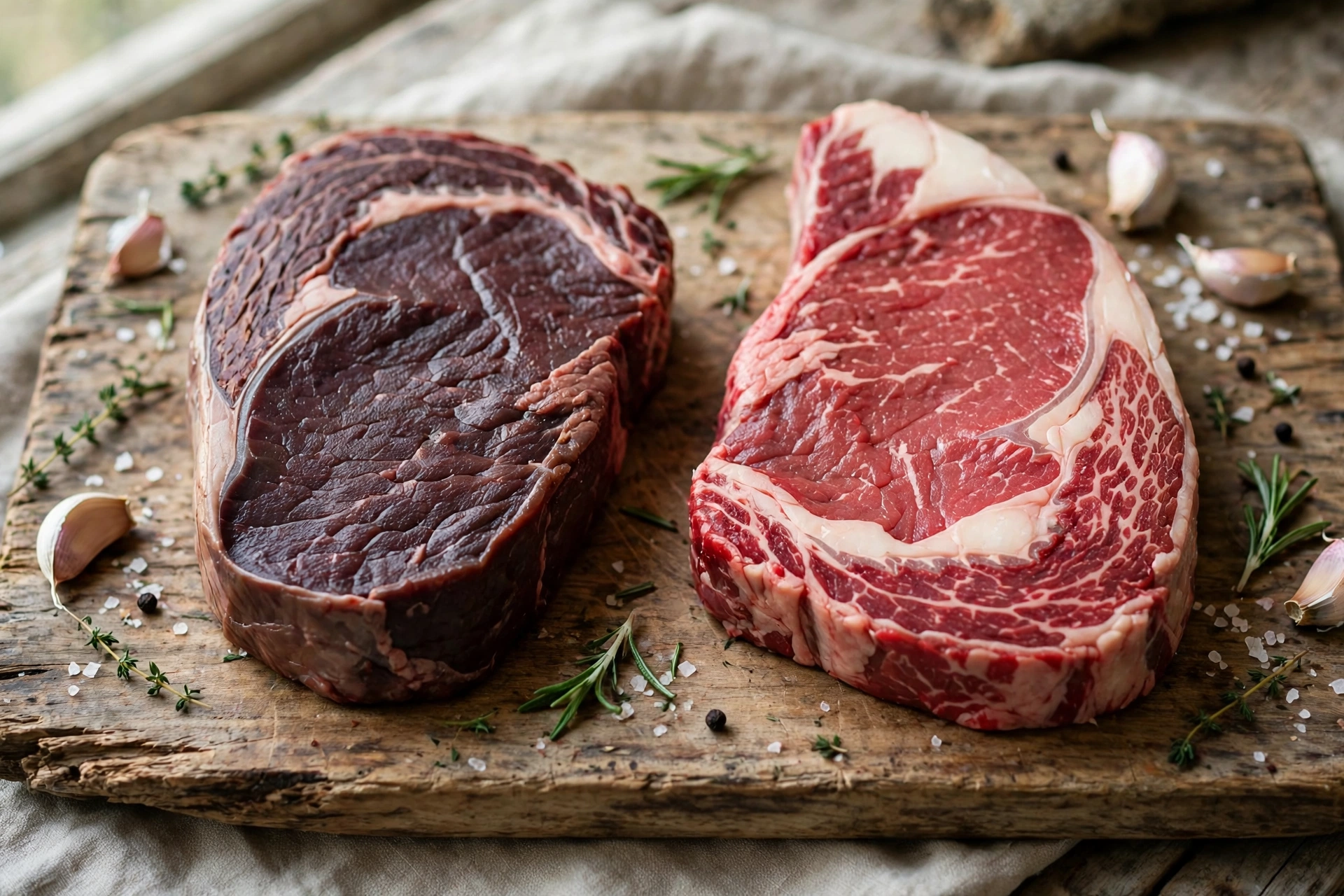
Bison is so lean that it overcooks fast. That is the trade-off for the low fat. The fix is low and slow: cook bison at 325°F. A bison steak cooked to medium-rare is tender. The same steak cooked to well-done is dry and tough, so use a meat thermometer.
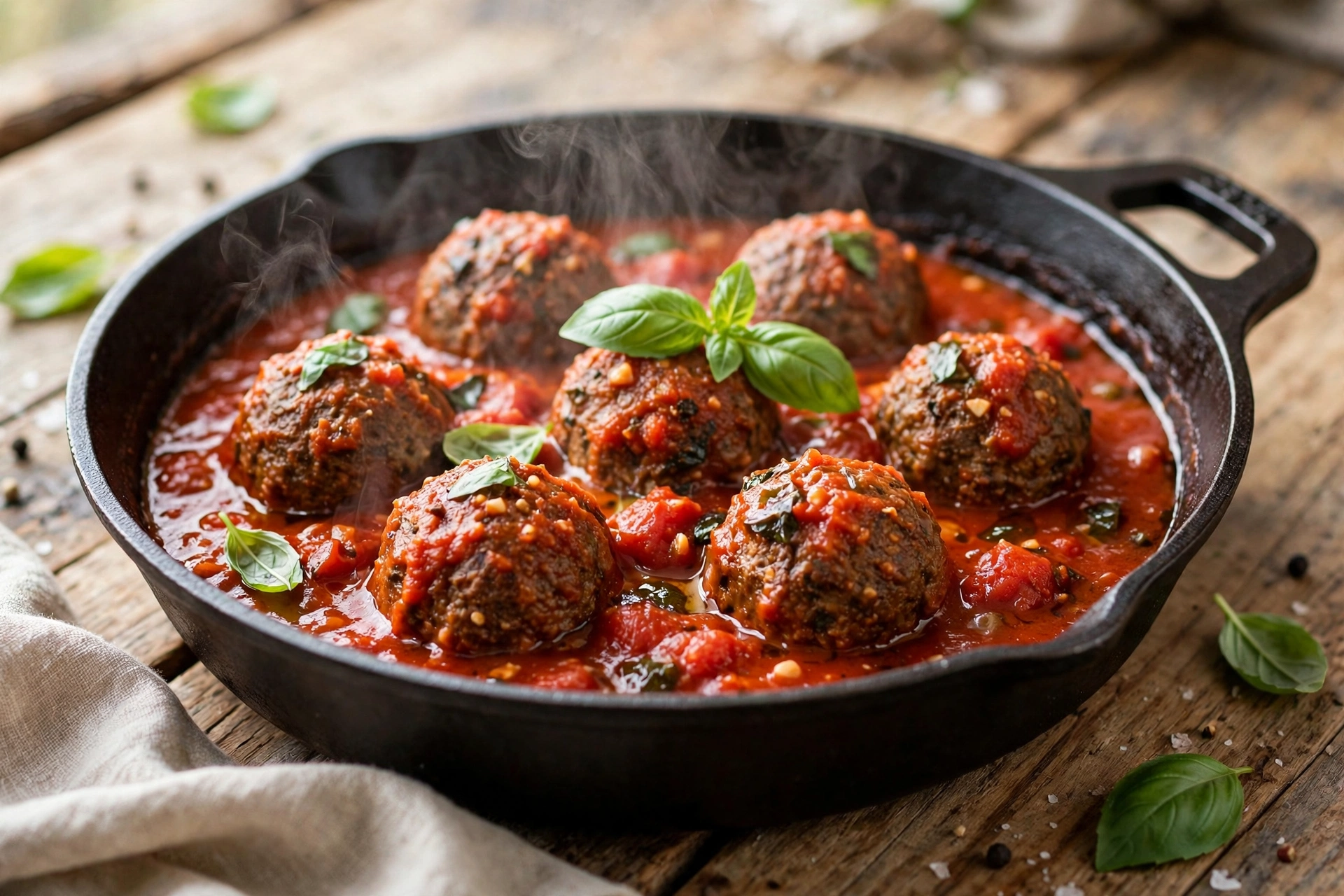
USDA temperatures are the same as for beef: ground bison to 160°F, steaks or roasts to 145°F with a 3-minute rest. For ground bison (burgers, meatballs, chili), add moisture — onions, mushrooms, or tomato — because there is almost no fat to keep it juicy. For steaks, a quick sear and gentle finishing works well. Our air fryer steak bites recipe shows the same idea.
I make bison burgers with finely chopped onion and mushroom mixed into the meat, cooked over medium heat and rested for five minutes. They stay juicy without any added fat. When people ask “is bison good for cholesterol?”, the cooking matters too: a bison burger with a salad is heart-healthy, but one with cheese and fries is not.
The Price and Availability Reality
Bison costs more than beef, and it is harder to find: about 20,000 bison are slaughtered a year in the US, against about 125,000 cattle a day, so bison is a niche meat. You will find it in specialty butchers and health-food stores, but not everywhere, and not cheap.
Ground bison is the entry point: the most widely available form, the cheapest per pound, and the most versatile — burgers, chili, meatballs, tacos. Steaks and roasts cost more and are harder to find. If you are trying bison for the first time, start with ground.
One warning: “beefalo” is not bison. It is a cross (3/8 bison, 5/8 cattle) and nutritionally closer to beef, so if the label says beefalo, you are not getting bison’s fat profile. Buy pure bison and check the label. That is the practical side of “is bison good for cholesterol?” — good, but only if you can find it and afford it.

How Much Bison Can You Eat?
Bison is still red meat, so it counts toward the WCRF limit of 350–500 g of cooked red meat a week — about 12–18 oz, or three portions. That limit covers all red meat, not just bison. If you eat beef on Monday and bison on Thursday, both count toward the same total.
A sensible bison pattern is 3 oz per portion, 1–2 times a week, giving about 24 g of protein. Fill the rest of the plate with vegetables, salad, and whole grains.
Our hub post on is red meat bad for cholesterol covers the bigger picture, and our guides to lamb and goat meat cover the other red meats. The foods to avoid with high cholesterol list is worth checking too.
Bison’s leanness means you can eat it more often than fatty beef, but it is still red meat. If you swap beef for bison, you are making a real improvement, but the portion rule still applies. That is the practical answer to “is bison good for cholesterol?”: in a 3 oz portion, once or twice a week, bison is the best beef swap.
Frequently Asked Questions
Is bison good for cholesterol compared to beef?
Yes — bison beats beef on saturated fat by a wide margin. Bison has 0.9 g per 100 g, beef has 5.58 g — more than six times as much. The cholesterol gap is smaller (82 vs 87 mg), but saturated fat drives LDL. Bison also has fewer calories (142 vs 235) and more protein (28.3 g vs 27.1 g).
Does bison raise cholesterol?
Bison is unlikely to raise cholesterol, because its saturated fat is so low (0.9 g per 100 g). Saturated fat drives the liver to make more LDL, and bison has little of it. Its dietary cholesterol (82 mg per 100 g) is ordinary. But dietary cholesterol has a smaller effect on blood cholesterol than saturated fat.
Can I eat bison with high cholesterol?
Yes, in small portions. Keep to 3 oz, 1–2 times a week, and cook it gently: low and slow at 325°F, not charred. Bison’s saturated fat is only 0.9 g per 100 g, the lowest of any common red meat except goat. If your LDL is very high, ask your doctor about your red-meat pattern.
Is bison healthier than beef?
On the numbers, yes. Bison has less saturated fat (0.9 vs 5.58 g), fewer calories (142 vs 235), more protein (28.3 vs 27.1 g), and slightly less cholesterol (82 vs 87 mg) per 100 g. A 2013 study found bison did not raise inflammation the way beef did. Bison is still red meat, so portions matter.
How should I cook bison?
Cook it low and slow at 325°F, and do not overcook it. Bison is so lean that it dries out, so pull steaks off the heat earlier than beef and use a meat thermometer. Ground bison to 160°F, steaks or roasts to 145°F with a 3-minute rest. For ground bison, add moisture (onion, mushroom, tomato) to keep it juicy.
Is bison expensive?
Yes — bison costs more than beef and is harder to find. About 20,000 bison are slaughtered a year in the US, against about 125,000 cattle a day, so bison is a niche meat. Ground bison is the cheapest and most available form. Start there. Avoid “beefalo” (3/8 bison, 5/8 cattle), which is closer to beef.
Your Next Step
So, is bison good for cholesterol? Yes — it is the leanest red meat after goat, with 0.9 g of saturated fat per 100 g against beef’s 5.58 g. It still counts toward your weekly red-meat limit, and it costs more than beef. But if you want red meat and you care about cholesterol, bison is the smartest beef swap.
This article is for general information only and is not medical advice. Please talk to your doctor or a registered dietitian, especially if you have diabetes, heart disease or take medicine.
Sources: Medical News Today / USDA (per 100 g cooked: bison 142 kcal, 28.3 g protein, 2.41 g fat, 0.9 g saturated fat, 82 mg cholesterol, iron 3.41 mg, selenium 35.4 mcg; beef 235 kcal, 27.1 g protein, 13.4 g fat, 5.58 g saturated fat, 87 mg cholesterol, iron 2.26 mg); AHA (saturated fat <6% of calories, ~11–13 g/day); WCRF (350–500 g red meat/week); 2013 study, Nutritional Research (better PUFA:SFA ratio; no rise in inflammation/oxidative stress; "healthier red meat alternative"); 2010 observational study (300 people, 12 months: lower total cholesterol, higher HDL); USDA cooking temperatures (ground 160°F, steaks 145°F + 3-min rest); USDA scale (~20,000 bison/year vs ~125,000 cattle/day). Outbound link: MedlinePlus — Cholesterol