Low Glycemic Fruits for Diabetes: 15 Best Picks
Low glycemic fruits for diabetes are the fruits that raise blood sugar slowly — grapefruit, berries, apples, pears, and more. A low GI is 55 or less. The best picks have a GI under 40 and plenty of fiber. Eat them whole, in 15-gram-carb servings, paired with protein.
By Sarah | Last updated: November 11, 2026
Key Takeaways
- Low glycemic fruits for diabetes: GI 55 or less; the best picks are under 40.
- Grapefruit (25) and blackberries (25) are the lowest-GI fruits on this list.
- One fruit serving is about 15 g of carbs — the ADA standard.
- Glycemic load matters as much as GI: watermelon (GI 76) has a low GL of about 8 per cup.
- GI charts disagree — variety, ripeness, and test method all change the number.
On This Page
- What Does “Low Glycemic” Mean?
- 15 Best Fruits
- Why Charts Disagree
- GI vs Glycemic Load
- How Much Fruit?
- How to Eat Fruit
- Smaller Amounts
- Grapefruit and Medicines
- FAQs
What Does "Low Glycemic" Mean?
Low glycemic means a low glycemic index — 55 or less on a scale of 0 to 100. The GI ranks foods by how quickly they raise blood sugar. Low is 55 or less, medium is 56 to 69, and high is 70 or more. Glycemic load adds the serving size: GI times carbs, divided by 100.
A low GL is 10 or under; a high GL is 20 or more. Both numbers matter: GI tells you the speed, and GL tells you the total load. A fruit can have a high GI but a low GL if it has very few carbs per serving — watermelon is the classic example. Low glycemic fruits for diabetes are the ones that score low on both, or low on GL even when the GI is higher.
Fiber is part of the mechanism. Soluble fiber slows how fast sugar reaches your blood, which is why whole fruit behaves so differently from juice. The American Diabetes Association’s food and nutrition guidance puts whole fruit at the center of a diabetes meal plan.
The 15 Best Low Glycemic Fruits
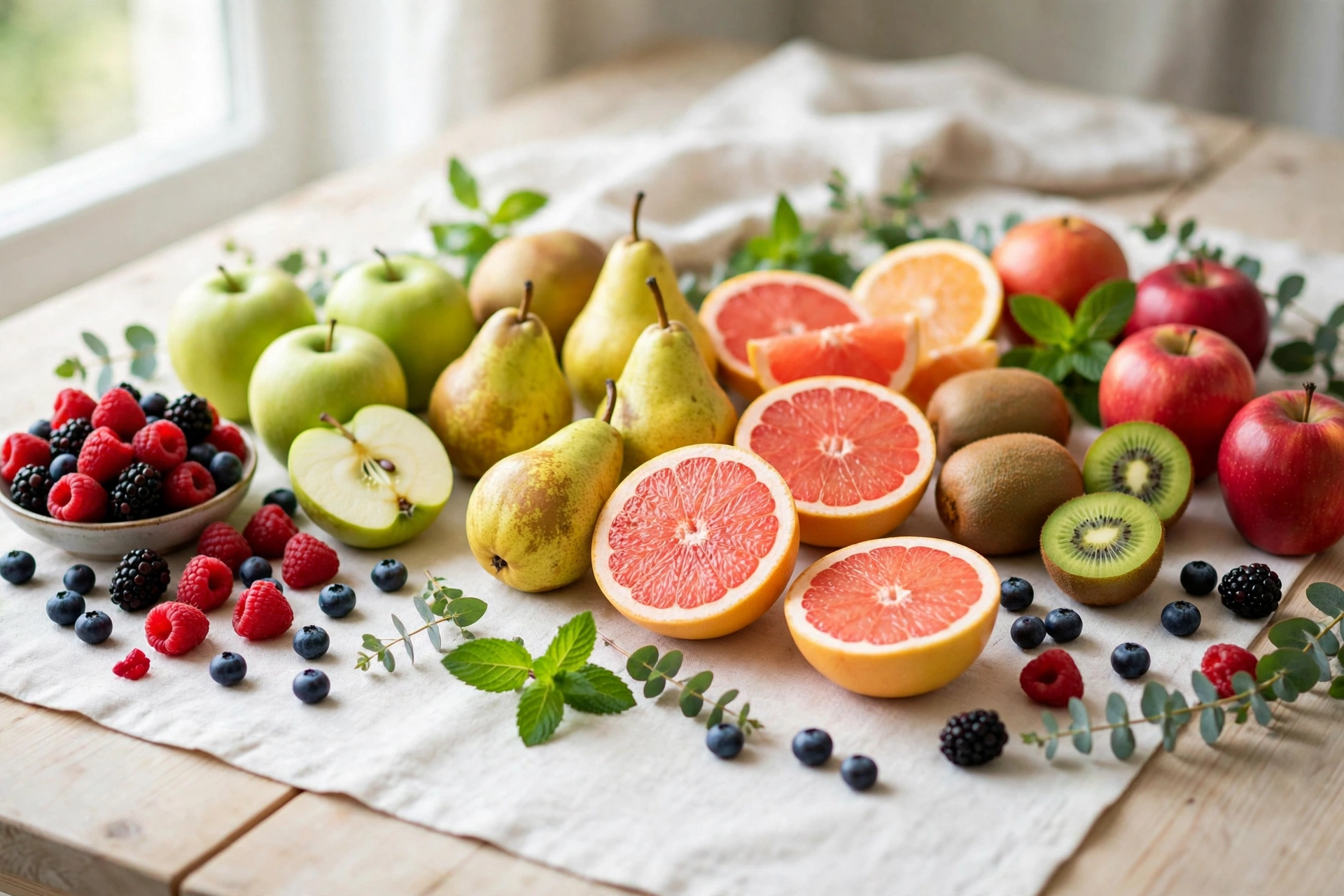
These fifteen fruits all have a GI of 55 or less, ranked from lowest to highest. Grapefruit and blackberries tie at 25. Avocado is the lowest of all at 15. Every fruit lists its glycemic load and its 15-gram-carb serving — the ADA standard for one fruit portion.
| Fruit | GI | GL | 15 g serving | Why it works |
|---|---|---|---|---|
| Avocado | 15 | ~1 | ¾ medium | Healthy fats; almost no sugar |
| Cherries | 20–25* | ~3–5 | 12 cherries | See the cherry GI debate below |
| Grapefruit | 25 | ~2–3 | ½ large | Half has ~50% DV vitamin C |
| Blackberries | 25 | ~2 | ¾ cup | 8 g fiber per cup — most of any berry |
| Pears | 29–38 | ~4–6 | 1 small | ~6 g fiber per medium pear |
| Raspberries | 32 | ~2 | 1 cup | High fiber; tart and low in sugar |
| Fresh apricots | 34–38 | ~2 | 4 fruits | Only 17 kcal and 4 g carbs each |
| Apples | 36–44 | ~5–7 | 1 small | Pectin fiber; see our apple guide |
| Kiwifruit | 38–39 | ~4 | 1 large | Vitamin C; green 39, gold 38 |
| Plums | 39–40 | ~2 | 2 plums | Only ~8 g carbs per plum |
| Strawberries | 40 | ~1–2 | 1¼ cups | 98 mg vitamin C per cup |
| Oranges | 40–45 | ~4–5 | 1 small | Eat the whole fruit, not juice |
| Peaches | 42 | ~5 | 1 medium | ~15 g carbs per medium peach |
| Blueberries | 51–53 | ~5 | ¾ cup | Anthocyanins; linked to lower T2D risk |
| Grapes | 54–59 | ~8 | ½ cup (~17 grapes) | Sweet — count them |
\*Cherries: most US sources list 20–22, but an Australian test reported 65, and other tests range from 22 to 63. See our cherry guide for the full debate.
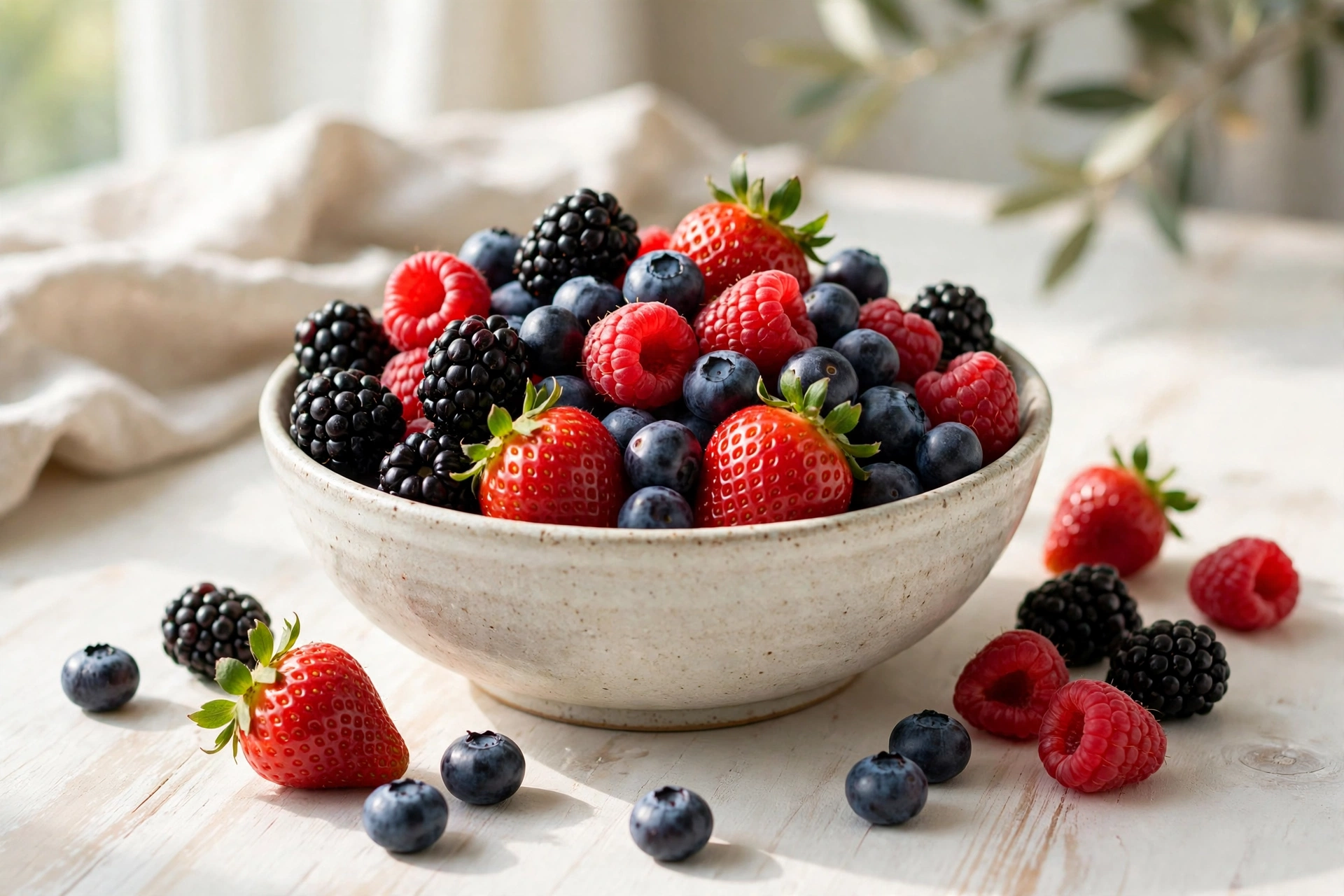
The berries are the stars of these low glycemic fruits for diabetes: blackberries, raspberries, strawberries, and blueberries all combine low GI with high fiber. Citrus comes next — grapefruit at 25 is the lowest-GI citrus, and oranges at 40–45 are still low. Stone fruits (cherries, plums, peaches, apricots) and pome fruits (apples, pears) fill out the middle. Low glycemic fruits for diabetes span every family, so you can eat seasonally all year.
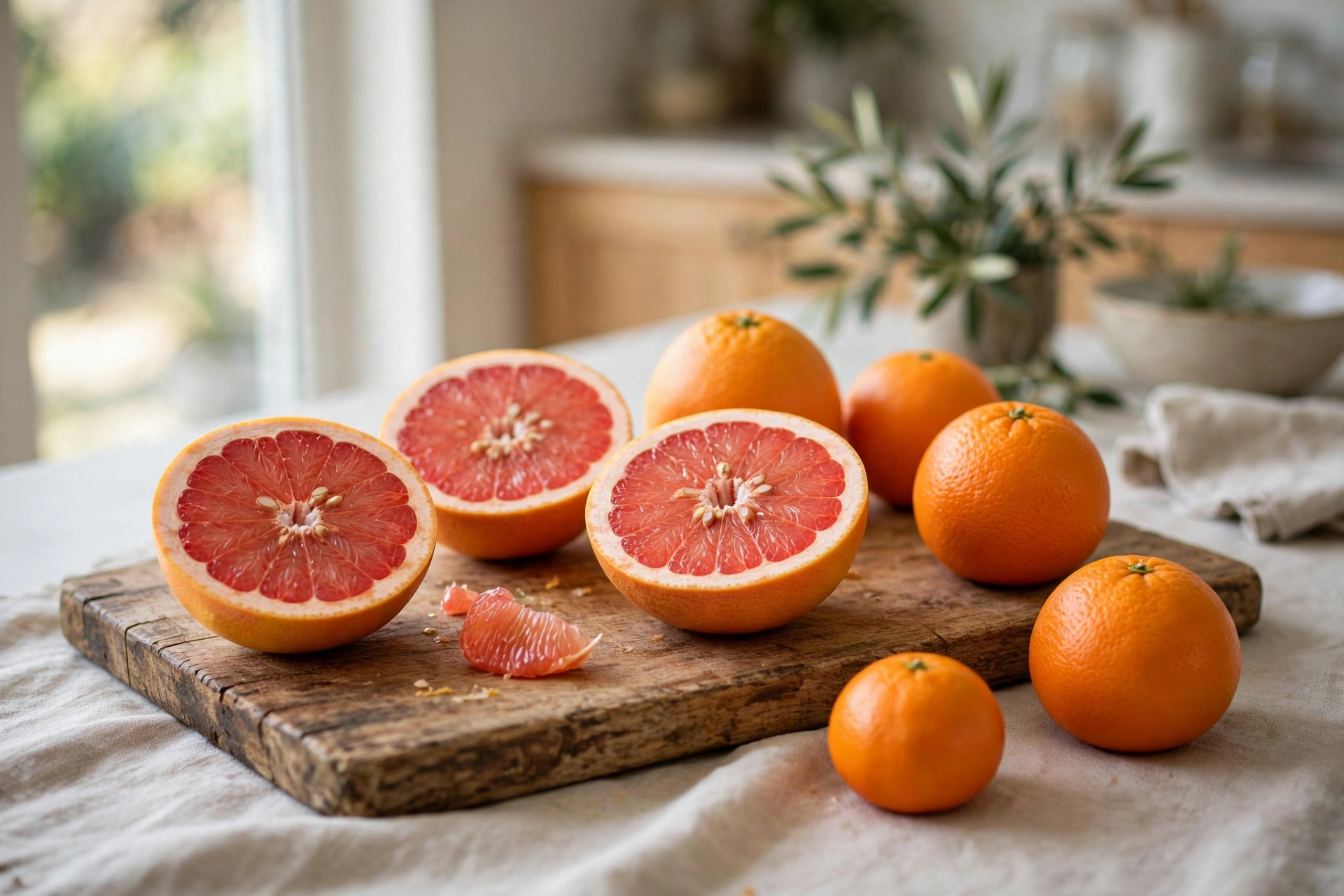
I buy grapefruit when it is in season and eat half with breakfast — it is tart, filling, and only about 10 grams of carbs.
Why GI Charts Disagree
Different charts give different GI numbers for the same fruit — and they are all honest. Variety, ripeness, growing region, test method, and test year all change the result. A banana tests at 42 when slightly green and up to 62 when ripe. Cherries range from 22 to 65 across tests.
The spreads are wide: ripe banana 47–62, mango 51–60, pineapple 58–66, raisins 55–66, grapes 54–59. Even strawberries disagree — one source lists 40 in its chart and 47 in its text. The lesson is not that GI is useless, but that it is a range, not a single number. Use the ranges in the table above, and treat any single GI number as approximate.
Banana ripeness is the clearest example: a slightly green banana tests at 42, a ripe one at 51 or higher, and one source lists 62. Low glycemic fruits for diabetes are best judged by their range and their fiber, not by one lab’s number.
GI vs Glycemic Load: Why Watermelon Isn't Scary
Watermelon has a high GI of about 76 — but a low glycemic load of about 8 per cup. That is because a cup of watermelon has only 11 grams of carbs; it is mostly water. Glycemic load counts the carbs you actually eat. Dried dates are the opposite: a GL of about 25 per small serving.
The formula is simple: GL = GI × available carbs per serving ÷ 100. A low GL is 10 or under; a high GL is 20 or more. Watermelon’s GL of 8 is low, even though its GI of 76 is high. Dried dates, at 57 grams with 40 grams of carbs, have a GL of about 25 — high. Low glycemic fruits for diabetes are usually low on both measures, but GL is the number that predicts your blood sugar best.
How Much Fruit? The 15 g Serving
One fruit serving is about 15 grams of carbs — the ADA standard. That is one small apple, 12 cherries, or three-quarters of a cup of blackberries. Spread your fruit across the day instead of eating it all at once. The Dietary Guidelines suggest about one and a half to two cups of fruit a day.
Low glycemic fruits for diabetes fit this pattern easily: most of the 15 picks give you a generous serving for 15 grams. One and a half cups a day (women over 50) to two cups (men) is the guideline — that is roughly two to three servings. Count each serving, and fit it into your carb budget the same way you count bread or rice.
How to Eat Fruit for Steady Blood Sugar
Four rules keep fruit friendly: eat it whole, pair it with protein or fat, watch the dried fruit, and test your own response. Whole fruit has fiber that juice lacks. A pairing slows the rise. Dried fruit is easy to overeat — limit it to a quarter cup a day. Your body is the final judge.
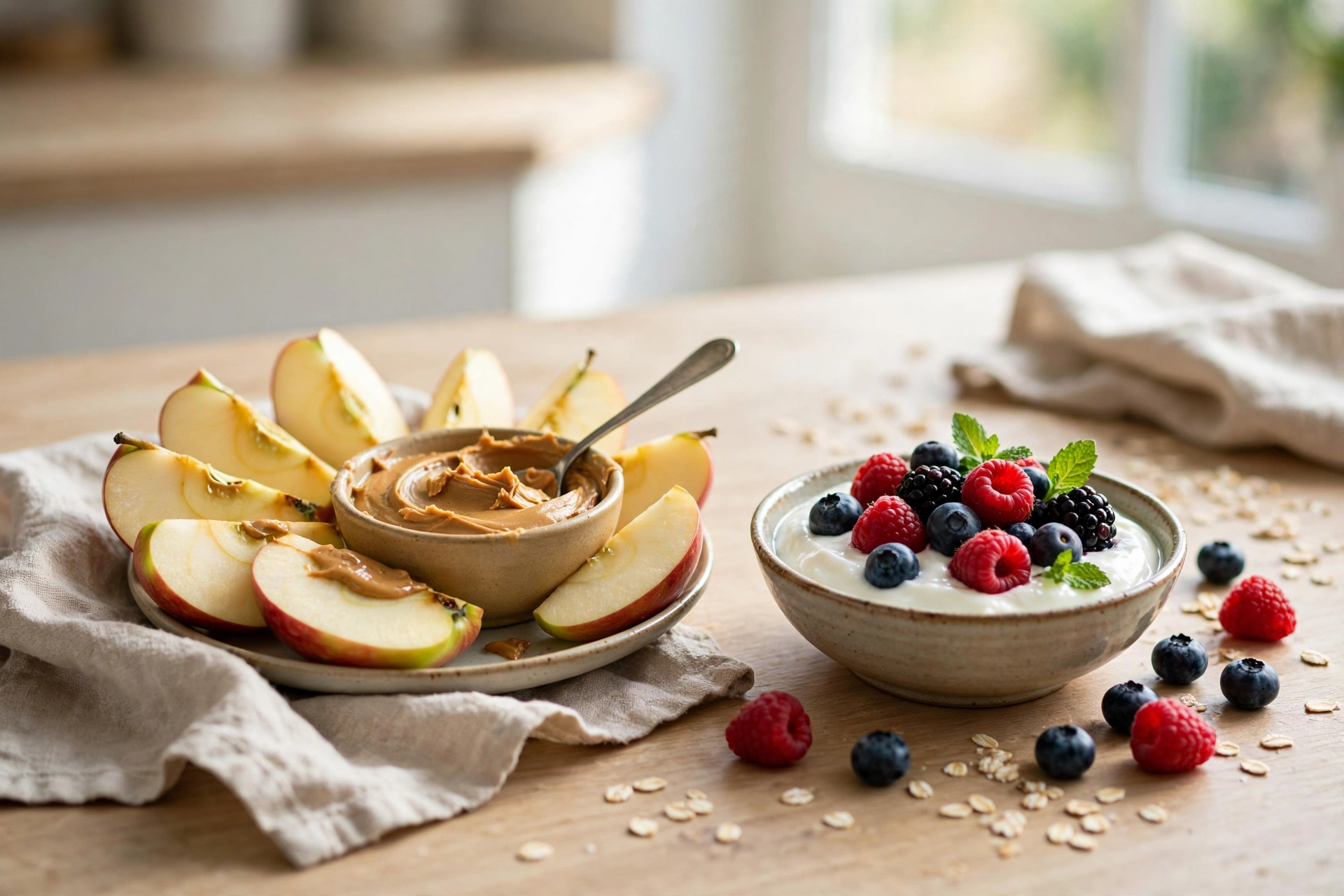
The “no naked carb” rule works well: never eat fruit alone if you can pair it. Half a cup of Greek yogurt, a tablespoon of peanut butter, or an ounce of cheese turns a fruit snack into a balanced one. Low glycemic fruits for diabetes pair beautifully — berries with yogurt, apple with peanut butter, pear with cheese. Fruit with protein also makes a good bedtime snack.
Test your own response, too. A study of 800 people found that glucose responses to identical meals vary widely from person to person. Eat the same fruit three days in a row, check before and two hours after, and learn what works for you. I keep a bowl of berries and a tub of Greek yogurt in the fridge — it is my go-to afternoon snack.
Fruits to Enjoy in Smaller Amounts
Some fruits are still healthy but higher on the glycemic index — enjoy them in smaller portions. Watermelon, pineapple, mango, and ripe banana all test above 55 in some charts. Dried fruit is the most concentrated of all. A small portion, paired with protein, keeps them on the menu.
| Fruit | GI range | 15 g serving |
|---|---|---|
| Watermelon | 72–78 | 1¼ cups cubed |
| Pineapple | 58–66 | ¾ cup |
| Mango | 51–60 | ½ cup |
| Ripe banana | 47–62 | ½ large or 1 extra-small |
| Raisins | 55–66 | 2 tbsp |
| Dried dates | 62 | ~3 dates |
Low glycemic fruits for diabetes are the everyday picks; these are the sometimes picks. None of them is banned — the portion is the difference. A small serving of mango with yogurt is fine; a whole mango on an empty stomach is not.
Grapefruit and Your Medicines
Grapefruit is the lowest-GI citrus — but it can interact with some medicines. The FDA warns that grapefruit and grapefruit juice affect some statins, blood pressure medicines, and heart rhythm medicines. Seville oranges, pomelos, and tangelos can do the same. Ask your pharmacist before you eat grapefruit daily.
This is not a reason to fear grapefruit — it is a reason to check. If you take any of these medicines, ask your pharmacist whether grapefruit is safe for you. Low glycemic fruits for diabetes include plenty of safe alternatives if grapefruit is off your list.
Frequently Asked Questions
What are the best low glycemic fruits for diabetes?
The best low glycemic fruits for diabetes are grapefruit (GI 25), blackberries (25), raspberries (32), pears (29–38), and apples (36–44). They combine a low GI with real fiber. Berries are the top group: high fiber, low sugar, and a GI under 55. Eat them whole, in 15-gram servings, paired with protein.
Is banana a low glycemic fruit?
It depends on ripeness. A slightly green banana tests at about 42 — low. A ripe banana tests at 47 to 62, depending on the source — medium. A ripe banana is still healthy, but not one of the lowest-GI picks. If you love bananas, eat a half or a small one, and pair it with peanut butter or yogurt.
How much fruit can a diabetic eat in a day?
About one and a half to two cups a day, per the Dietary Guidelines — roughly two to three 15-gram-carb servings. Spread them across the day instead of eating them all at once. One serving is one small apple, 12 cherries, or three-quarters of a cup of blackberries. Count each serving in your carb budget.
Is watermelon OK for diabetics?
Yes, in a counted portion. Watermelon has a high GI of about 76, but a low glycemic load of about 8 per cup — because a cup has only 11 grams of carbs. One and a quarter cups cubed is a 15-gram serving. Eat it with protein, not alone, and skip the juice.
Should diabetics avoid fruit juice?
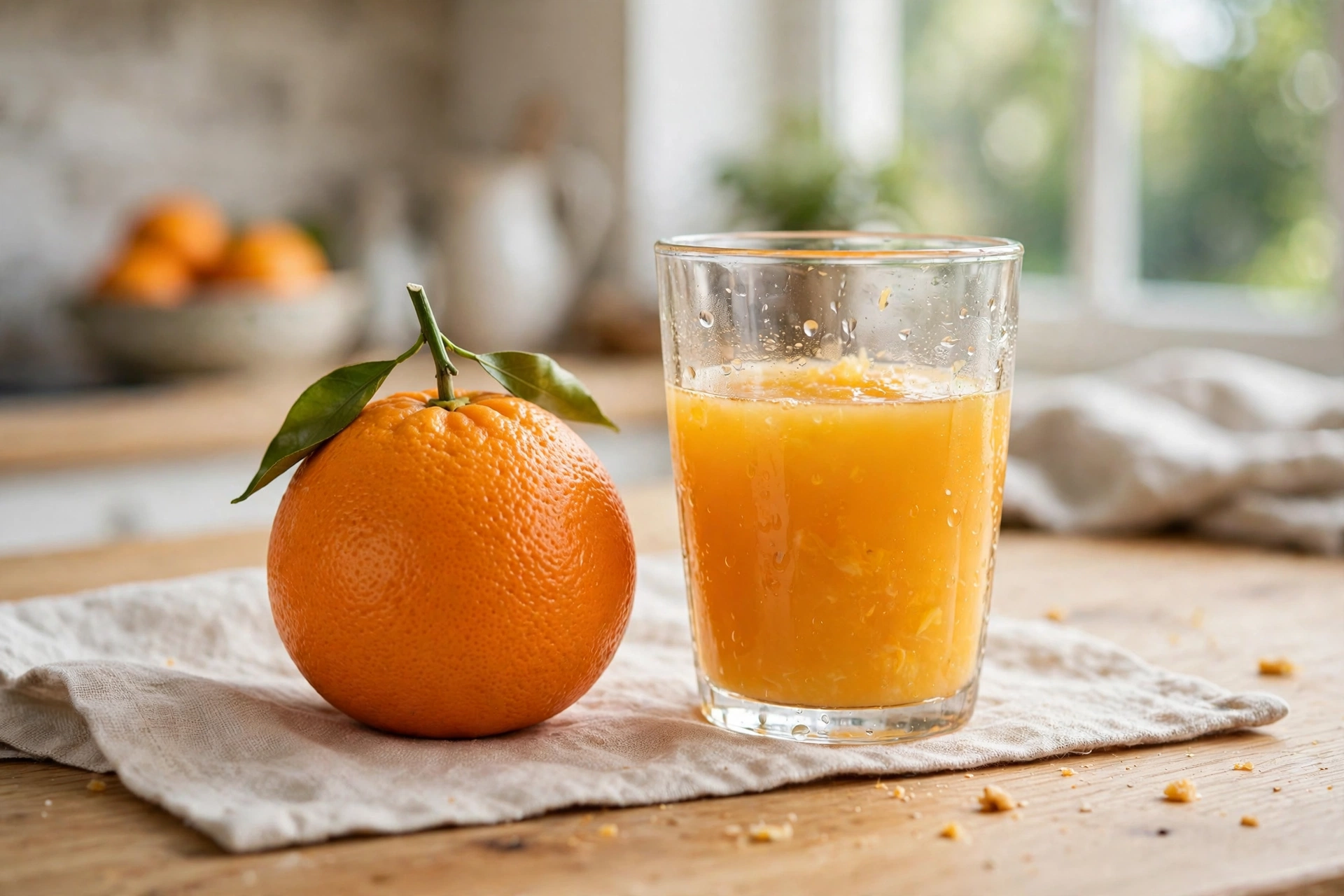
Yes, as a regular drink. Juice has the sugar of several fruits with none of the fiber. Harvard research linked daily juice drinking to a higher risk of type 2 diabetes. An 8-ounce glass of apple juice has 29 grams of carbs and zero fiber. Save juice for treating a low blood sugar, where fast sugar is what you need.
Why do GI charts give different numbers for the same fruit?
Variety, ripeness, growing region, test method, and test year all change the result. A banana tests at 42 when slightly green and up to 62 when ripe. Cherries range from 22 to 65 across tests. GI is a range, not a single number. Use the ranges in a chart, and test your own response to the fruit you actually eat.
Your Next Step
So, low glycemic fruits for diabetes: start with grapefruit, berries, and apples — the lowest-GI fruits with the most fiber. Eat one 15-gram serving at a time, pair it with protein, and test your response. Fruit is not the enemy; the portion and the pairing are what matter.
Start with the fruit you like best. The best low-glycemic fruit is the one that actually makes it into your day.
This article is for general information only and is not medical advice. Please talk to your doctor or a registered dietitian, especially if you have diabetes, heart disease or take medicine.