

How much sodium did you eat today? This free sodium intake calculator adds it up two ways: type in your total milligrams for a quick check, or log the foods you ate and let it add the servings for you. Either way, you get a clear traffic-light rating against the 1,500 mg ideal and the 2,300 mg daily limit. Free, instant, and no sign-up needed.
How This Calculator Works
Two limits matter, both set for adults:
- 2,300 mg a day — the maximum. The Dietary Guidelines for Americans and the American Heart Association (AHA) both say adults should eat no more than 2,300 mg of sodium a day, about one teaspoon of salt.
- 1,500 mg a day — the ideal. The AHA says moving toward 1,500 mg is even better for most adults, especially for blood pressure.
Salt is not the same as sodium. Table salt is about 40% sodium, so salt in milligrams = sodium in milligrams × 2.5. That is why 2,300 mg of sodium equals roughly 5,900 mg (about 6 g, or one teaspoon) of salt.
Most of the sodium in a typical diet does not come from the salt shaker. The CDC notes that more than 70% comes from packaged, processed, and restaurant foods — bread, soup, cheese, sauces, and takeaways. That is why the food log on this page focuses on those everyday items.
Sodium in Common Foods
Typical values per serving, from USDA FoodData Central. Brands vary a lot — a cup of canned soup can range from 400 to over 900 mg — so check the label for exact numbers.
| Food | Serving | Sodium |
|---|---|---|
| Table salt | 1 teaspoon | 2,300 mg |
| Table salt | 1/4 teaspoon | 575 mg |
| Instant noodles, with flavor sachet | 1 pack | 1,600 mg |
| Fast-food burger | 1 burger | 1,000 mg |
| Soy sauce | 1 tablespoon | 900 mg |
| Stock cube | 1 cube | 900 mg |
| Canned soup | 1 cup | 800 mg |
| Ready meal, frozen or chilled | 1 portion | 800 mg |
| Miso soup | 1 bowl | 700 mg |
| Pizza, cheese | 1 slice | 640 mg |
| Tomato juice, regular | 1 cup | 600 mg |
| Pickle, dill | 1 large | 570 mg |
| Deli turkey breast | 2 oz (about 6 slices) | 560 mg |
| Low-sodium soy sauce | 1 tablespoon | 550 mg |
| Hot dog | 1 | 500 mg |
| Pasta sauce, jarred | 1/2 cup | 450 mg |
| Bagel, plain | 1 medium | 450 mg |
| Cottage cheese | 1/2 cup | 400 mg |
| Canned tuna, drained | 1 can | 400 mg |
| Salad dressing, bottled | 2 tablespoons | 300 mg |
| Canned vegetables | 1/2 cup | 220 mg |
| Breakfast cereal | 1 cup | 200 mg |
| Cheddar cheese | 1 oz (1 slice) | 180 mg |
| Bread | 1 slice | 150 mg |
| Ketchup | 1 tablespoon | 150 mg |
| Chips / crisps | 1 oz (small bag) | 150 mg |
| Salted butter | 1 tablespoon | 90 mg |
More Calculators
Every calculator on this site is free, instant, and built for healthy, diabetes-friendly eating. Browse all our free calculators.
- Calorie & Macro Calculator — find your daily calories, BMR, TDEE, and protein, carb, and fat targets.
- Protein Intake Calculator — work out your daily protein target in grams from your weight, goal, and activity.
- Water Intake Calculator — work out how much water to drink each day from your weight, exercise, and climate.
- Glycemic Load Calculator — check the real blood sugar impact of any food or serving.
- Recipe Nutrition Calculator — add up the calories and macros in any homemade recipe, per serving.
- Recipe Scaling Calculator — double or halve any recipe and get the scaled ingredient list.
- Fiber Intake Calculator — find your daily fiber target from your age, sex, and calories.
- HbA1c Converter — turn your HbA1c into average glucose (eAG), or the other way round.
Frequently Asked Questions
How much sodium should I eat per day?
No more than 2,300 mg a day, according to the Dietary Guidelines for Americans and the American Heart Association — about one teaspoon of salt. The American Heart Association says moving toward an ideal of 1,500 mg a day is even better for most adults, especially for blood pressure. Most adults eat far more: the average American takes in about 3,400 mg a day.
Is 1,500 mg of sodium a day too low?
No, for most adults. The body needs less than 500 mg of sodium a day to function, and the American Heart Association notes there is no reliable evidence that eating less than 1,500 mg a day is a risk for the general population. People who lose large amounts of sodium in sweat, or who have been given a different target by their doctor, are exceptions.
Where does most sodium come from?
From packaged, processed, and restaurant foods — more than 70% of the sodium in a typical diet, according to the CDC. Bread, canned soup, cheese, sauces, deli meat, pizza, and takeaways are the biggest sources. The salt shaker adds only a small share.
Does sea salt have less sodium than table salt?
No. Sea salt, Himalayan pink salt, and table salt all contain about the same amount of sodium by weight — roughly 2,300 mg per teaspoon. Larger crystals can make a teaspoon weigh less, which looks lower on paper, but gram for gram the sodium is the same.
How can I cut sodium without losing flavor?
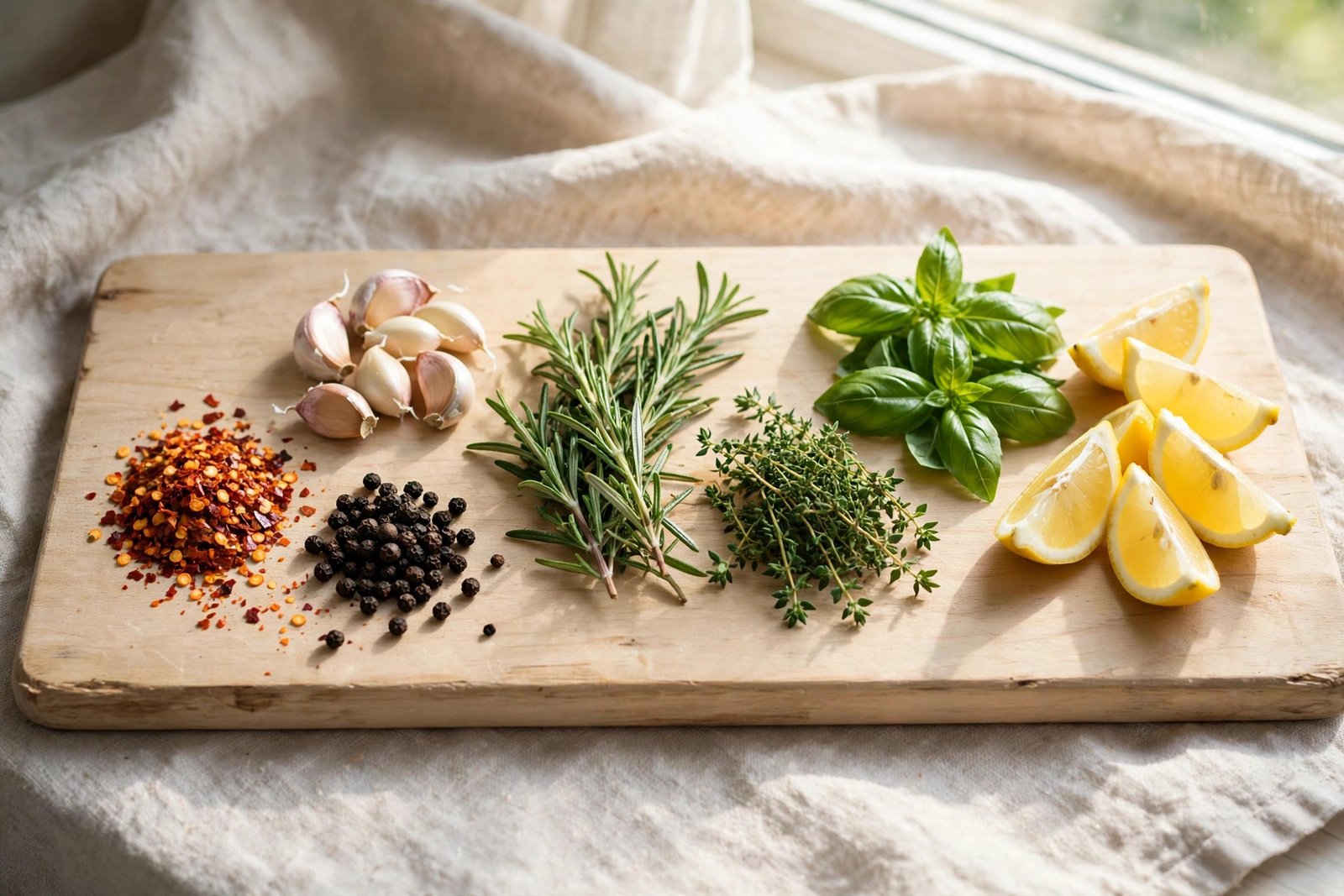
Cook at home more often, rinse canned beans and vegetables, choose low-sodium or no-salt-added versions, and flavor food with herbs, spices, garlic, lemon, and vinegar instead of salt. Our low-sodium recipes are built exactly this way — full of flavor, with the sodium kept low.
Do I need more sodium if I sweat a lot?
Possibly. Heavy sweating — hard exercise, manual work in heat — loses meaningful sodium, and athletes may need to replace it. But for most people, normal meals cover sweat losses. If you train hard or work in heat, talk to your doctor or dietitian about your target rather than guessing.
Cook Low-Sodium Without Missing the Salt
The easiest way to cut sodium is to cook it yourself. Try our Low Sodium Vegetable Soup (a fraction of the sodium in canned soup), browse our low-sodium recipes, or get a ready-made plan from our Meal Plans page.