Best Foods for Constipation Relief: 12 That Work Fast
The best foods for constipation relief are prunes, kiwifruit, lentils, chia seeds, pears, and oats — foods with fiber, water, and natural compounds that soften stool and keep things moving. Prunes and kiwi have the strongest study evidence, with exact servings tested in trials.
By Sarah | Last updated: November 12, 2026
Key Takeaways
- The best foods for constipation relief work by adding bulk, drawing water into the colon, or feeding gut bacteria.
- Prunes and kiwifruit have the strongest trial evidence — with exact servings.
- Aim for 25 to 38 grams of fiber a day, built up slowly.
- Water matters as much as fiber: drink with every meal.
- See a doctor if constipation lasts weeks, keeps coming back, or comes with blood or weight loss.
On This Page
- Why These Foods Help
- The 12 Foods
- 1-Day Fiber Menu
- Drinks
- Foods to Avoid
- Add Fiber Slowly
- When to See a Doctor
- FAQs
Why Do These Foods Help With Constipation?
Constipation means hard, dry stools or fewer than three bowel movements a week. It affects about 16% of US adults — and up to 33% of adults over 60, says the NIDDK.
The best foods for constipation relief work in three ways. Fiber adds bulk and holds water in the stool, which makes it softer and easier to pass. Sorbitol — a natural sugar alcohol in prunes, pears, and apples — draws water into the colon. And fermented foods feed gut bacteria that help regulate bowel movements.
The 2020–2025 Dietary Guidelines for Americans recommend 25 to 38 grams of fiber a day. Most Americans eat only 10 to 15 grams. Closing that gap is the single biggest food step you can take.
The 12 Best Foods for Constipation Relief
These foods are ranked by evidence: the best-studied first, then the strongest fiber sources, then helpful everyday foods. Fiber numbers are per serving from USDA data.
| Food | Serving | Fiber |
|---|---|---|
| Prunes | 100 g (about 10) | 6 g |
| Kiwifruit | 2 medium | 4 g |
| Lentils, cooked | 1/2 cup | 7.8 g |
| Raspberries | 1 cup | 8 g |
| Artichoke, cooked | 1 medium | 10.3 g |
| Chia seeds | 2 tbsp | 8 g |
| Oats, cooked | 1 cup | 4 g |
| Pear | 1 medium | 6 g |
1. Prunes — The Best-Studied Food
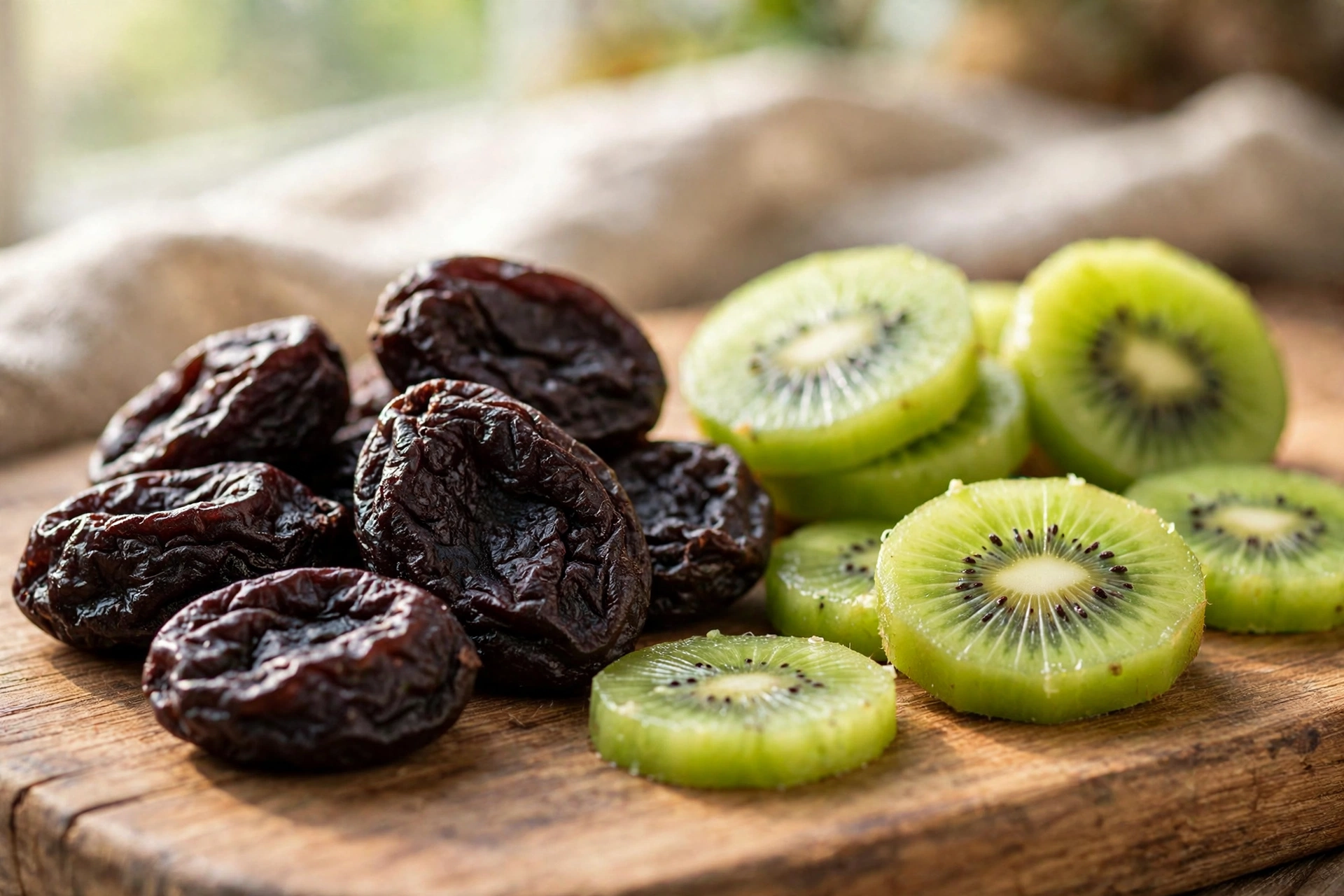
Prunes top the list of best foods for constipation relief: they are the most studied food for constipation. Each prune has about 1 gram of fiber and 1.4 grams of sorbitol, which pulls water into the colon. In a 2011 trial of 40 adults with chronic constipation, 50 grams of prunes twice a day beat psyllium on stool frequency and consistency.
Start with 5 to 6 prunes a day (about 50 grams) and build to 10 if needed. Prune juice works too, but whole prunes give you fiber as well. If prunes cause gas, try kiwi instead.
2. Kiwifruit — Two a Day
Kiwifruit is the other food with high-quality trial support. In an international trial of 184 people, eating 2 green kiwifruit a day for 4 weeks added about 1.5 complete bowel movements a week. It caused less discomfort than psyllium. The British Dietetic Association now suggests 2 to 3 kiwis a day for at least 4 weeks.
Each medium kiwi has about 2 grams of fiber peeled, or 3 grams with the skin on. Kiwi also has actinidin, an enzyme that may help digestion. Eat them whole, sliced into yogurt, or blended into a smoothie.
3. Pears
Pears are one of the best foods for constipation relief because they combine fiber with sorbitol and water. A medium pear has about 6 grams of fiber, most of it in the skin. Pears are gentle, so they suit people who find prunes too strong.
Eat pears raw with the skin on. Pear juice has sorbitol but no fiber, so whole pears work better.
4. Raspberries and Berries
Raspberries are a fiber standout: one cup has about 8 grams of fiber, a third of the daily target for women. Blackberries are close behind. Berries also add water and are low in calories, so you can eat a generous serving.
Add berries to oatmeal, yogurt, or salads — frozen work just as well as fresh.
5. Lentils, Beans, and Chickpeas
Pulses are among the best foods for constipation relief for daily eating. Half a cup of cooked lentils has 7.8 grams of fiber; black beans and chickpeas are similar. They also give you protein, so they keep you full.
Start with small servings if beans cause gas — half a cup, a few times a week — and build up. Rinse canned beans well to cut sodium and gas-causing compounds. Our guide to prebiotic foods for gut health explains how pulses feed good bacteria.

6. Oats and Oat Bran
Oats are among the best foods for constipation relief: they contain beta-glucan, a soluble fiber that absorbs water and forms a soft gel in the gut. A cup of cooked oats has about 4 grams of fiber, and oat bran has more. Oats are an easy daily habit — porridge, overnight oats, or oats in smoothies.
Steel-cut and rolled oats beat instant oats for fiber and fullness. See our guide on is oatmeal good for diabetics for the full comparison.
7. Chia Seeds and Flaxseeds
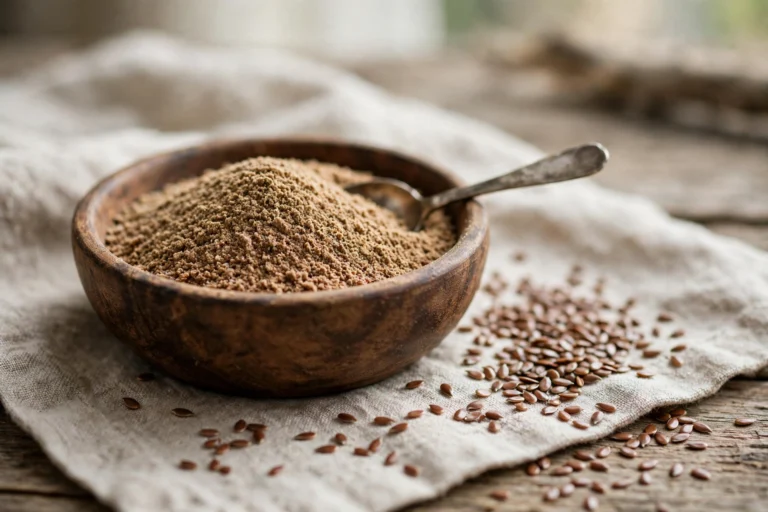
Chia seeds are small but strong among the best foods for constipation relief: two tablespoons absorb up to 10 times their weight in water, forming a gel that softens stool. They add about 8 grams of fiber per serving. Ground flaxseeds (linseeds) work the same way — about 1 tablespoon a day is a good start.
Soak chia in water, milk, or yogurt for 10 minutes before eating, or stir ground flax into porridge. Drink water with them — dry seeds without fluid can make constipation worse.
8. Artichokes and Leafy Greens
One cooked artichoke gives 10.3 grams of fiber — the highest per-serving count of any common vegetable. Leafy greens such as spinach, kale, and chard add fiber plus water and magnesium, which also helps bowel movements.
Add greens to soups, pasta, and smoothies. Keep canned artichoke hearts (rinsed) in the pantry for easy salads.
9. Whole Grains
Whole grains belong on any list of the best foods for constipation relief: whole-grain bread, brown rice, and whole-wheat pasta add fiber to every meal. Two slices of whole-grain bread have about 4 grams of fiber; a cup of cooked brown rice has about 3 grams. Wheat bran is the most concentrated source — sprinkle it on cereal or yogurt.
Swap refined grains for whole grains one meal at a time. The NIDDK lists whole grains among its first-line food recommendations for constipation.
10. Sweet Potatoes
A medium sweet potato with skin has about 4 grams of fiber, plus water and potassium. Sweet potatoes are gentle on the stomach and easy to cook — bake, roast, or mash them. They also work in soups, where the extra fluid helps.
Leave the skin on for the most fiber.
11. Apples With Skin
Apples have soluble fiber (pectin) inside and insoluble fiber in the skin. A medium apple has about 4 grams of fiber. Apples also contain sorbitol, though less than prunes or pears.
Eat apples raw with the skin on. Apple juice has sorbitol but no fiber.
12. Yogurt and Kefir
Live yogurt and kefir round out the best foods for constipation relief: they add beneficial bacteria that may help regulate bowel movements. They work best alongside fiber, not instead of it. Choose plain yogurt with live cultures and no added sugar.
A serving is about 3/4 cup of yogurt or 1 cup of kefir. If dairy bothers you, try a non-dairy yogurt with live cultures instead.
A 1-Day 30 g Fiber Menu
Here is a simple day that reaches about 30 grams of fiber using the best foods for constipation relief. No special shopping needed.
| Meal | What to eat | Fiber |
|---|---|---|
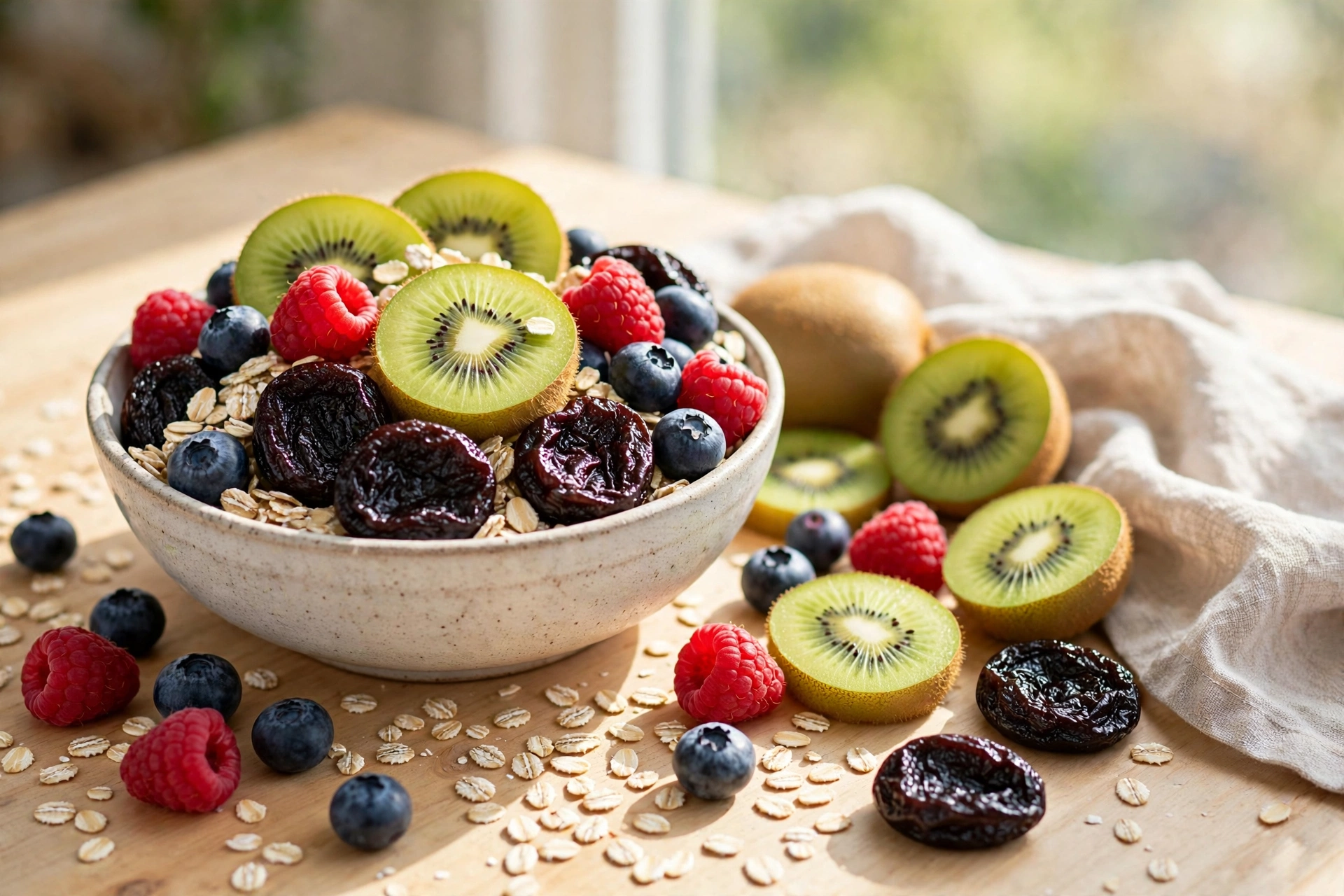
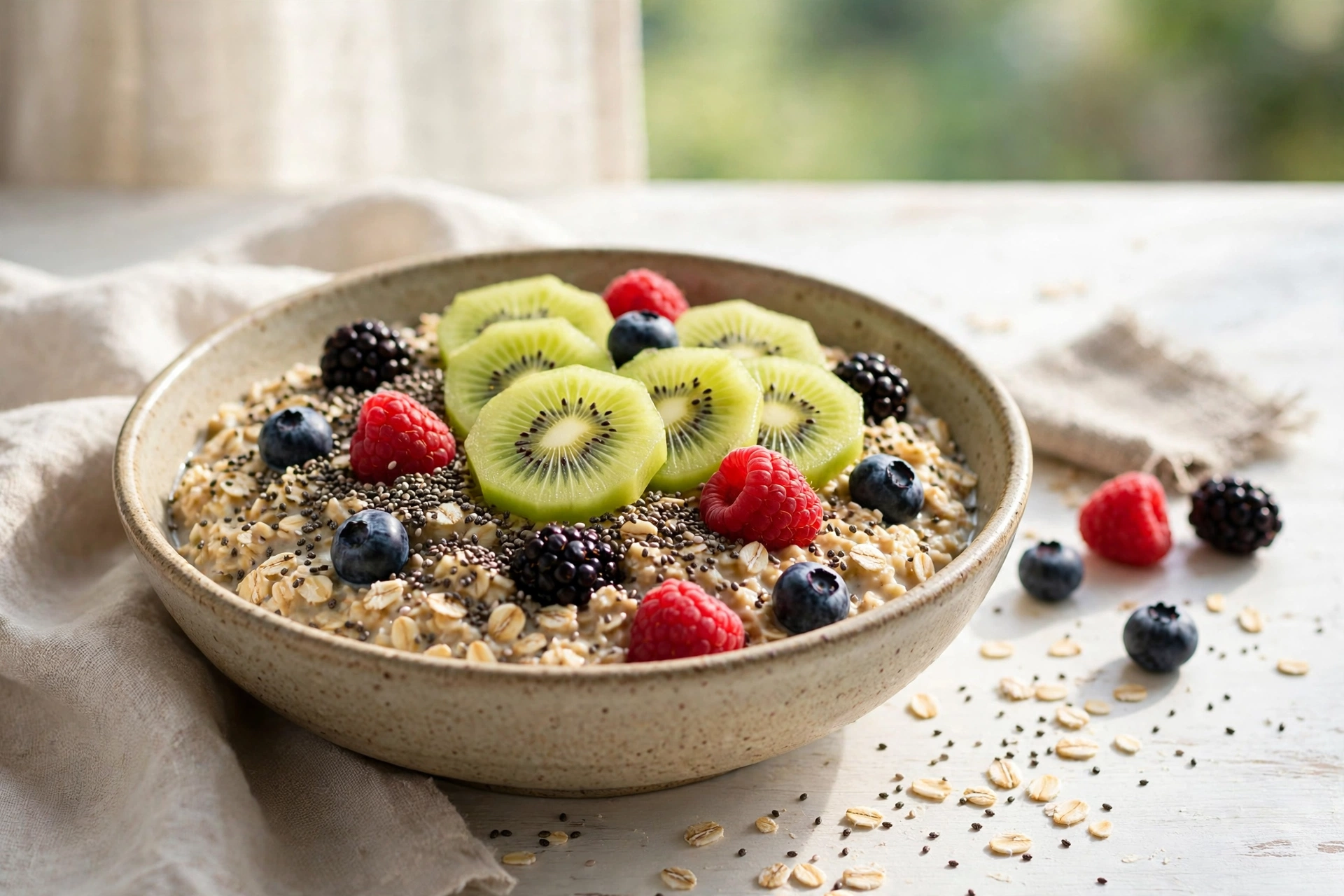
| Breakfast | Oats with raspberries and chia seeds | 10 g |
| Snack | 2 kiwifruit | 4 g |
| Lunch | Lentil soup with whole-grain bread | 10 g |
| Snack | Apple with skin | 4 g |
| Dinner | Chicken with sweet potato and spinach | 5 g |
| Total | ~33 g |
Drink water with every meal. Fiber without fluid can make constipation worse, not better.
What About Drinks?
Water is the most important drink for constipation. Aim for 6 to 8 glasses a day, more in hot weather or if you exercise. Drink with meals and between them.
Prune juice helps — about half a cup a day — because it carries sorbitol. Coffee can stimulate bowel movements for some people, though it is not a treatment on its own. Peppermint tea may ease bloating. Avoid alcohol, which dries out stool.

Foods That Can Make Constipation Worse
Some foods slow things down. High-fat fried foods, processed meats, cheese in large amounts, white bread, pastries, and ready meals are all low in fiber and can worsen constipation. The best foods for constipation relief do the opposite — they add fiber, water, and bulk.
You do not need to ban these foods. Just notice if a low-fiber day lines up with a constipated day, and add a high-fiber food to the next meal.
How to Add Fiber Without the Bloating
Add the best foods for constipation relief slowly — about 2 to 3 grams more fiber per day — to avoid gas and bloating. A sudden large jump in fiber without extra water can make constipation worse. Both the American Gastroenterological Association and the American College of Gastroenterology recommend more fiber and fluids as the first non-drug step for chronic constipation.
Give each increase a few days before adding more. If bloating appears, hold steady for a week before increasing again. Walking after meals also helps gas move through.
When Should You See a Doctor?
The best foods for constipation relief help most people, but see a doctor promptly if constipation is new and persistent, lasts more than 3 weeks, keeps coming back, or comes with blood in your stool, unexplained weight loss, severe abdominal pain, vomiting, fever, or a major change in bowel habit. These signs need medical care.
Also tell your doctor about medicines you take — iron supplements, some painkillers, antidepressants, and blood pressure drugs can cause constipation. Do not stop any medicine without asking. The NIDDK constipation guide explains causes, tests, and treatments in plain language.
Frequently Asked Questions
What food relieves constipation fast?
Prunes and kiwifruit relieve constipation fastest, with the best trial evidence. Eat 50 grams of prunes twice a day, or 2 green kiwifruit a day. Most people notice a difference within a few days. Drink water with them — fiber without fluid works slowly.
What fruit is best for constipation?
Prunes are the best-studied fruit for constipation, followed by kiwifruit. Pears, raspberries, and apples with skin also help. Whole fruit beats juice because it keeps the fiber. Eat 2 to 3 servings of fruit a day as part of a high-fiber diet.
How much fiber do I need for constipation?
Aim for 25 to 38 grams of fiber a day — 25 grams for women, 38 grams for men, per the Dietary Guidelines for Americans. Build up slowly, about 2 to 3 grams more per day, and drink water with every meal. A sudden jump can cause gas and bloating.
Do bananas help or hurt constipation?
Ripe bananas can help — they add fiber, water, and prebiotic compounds. Unripe green bananas are starchy and can make constipation worse for some people. If bananas bother you, try pears, kiwi, or berries instead.
Can I eat these foods every day?
Yes. The best foods for constipation relief are everyday foods — fruit, vegetables, beans, oats, and yogurt. Eat a variety each day rather than relying on one food. If you have IBS or a medical condition, ask your doctor or dietitian about portions.
When is constipation an emergency?
See a doctor promptly for blood in your stool, black stools, severe abdominal pain, vomiting, fever, or unexplained weight loss. Also seek care if constipation is new, lasts more than 3 weeks, or comes with a major change in bowel habit.
Your Next Step
The best foods for constipation relief are already in most kitchens: prunes, kiwi, lentils, oats, and beans. Start with one food today — 2 kiwis or a handful of prunes — and build your fiber up slowly.
For the bigger picture, see our best foods for gut health hub, our foods high in soluble fiber list, and our soluble fiber foods for high cholesterol guide.
This article is for general information only and is not medical advice. Please talk to your doctor or a registered dietitian, especially if you have diabetes, heart disease or take medicine.